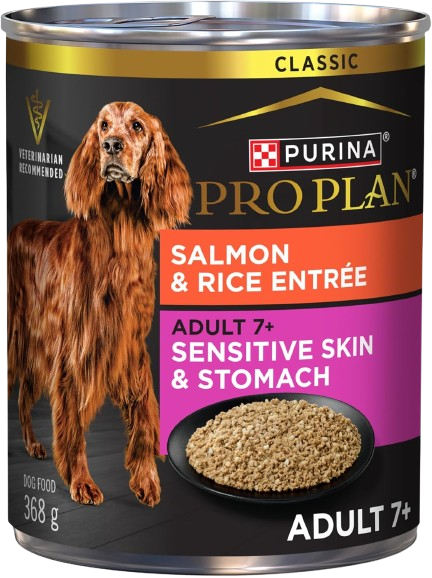
Nutrition & Diet for Aging Dogs
Nourishing Their Golden Years: Nutrition & Diet for Aging Dogs
olderdogcare.com/
Introduction
As dogs enter their senior years, their nutritional needs begin to shift. Their metabolism slows, their joints work harder, and their digestive system becomes more sensitive. For small senior dogs especially, the right diet can make a remarkable difference in their comfort, energy, and overall quality of life.
Let’s explore how nutrition changes with age — and how you can support your tiny senior with food that truly helps them thrive.
💛 Why Nutrition Matters More for Senior Dogs
Just like humans, dogs experience natural changes as they age. These changes affect how they process food, maintain muscle, and stay energized.
Common age‑related shifts include:
- Slower metabolism
- Reduced muscle mass
- Increased joint stress
- More sensitive digestion
- Higher risk of weight gain
- Changes in appetite
A thoughtful diet helps counter these changes and keeps your senior dog feeling their best.
🥦 Key Nutrients Aging Dogs Need
Senior dogs don’t just need less food — they need better food. Here are the nutrients that matter most.
1. High‑quality protein
Protein helps maintain muscle mass, which naturally declines with age. Look for:
- Chicken
- Turkey
- Salmon
- Lamb
- Eggs
Avoid foods with vague labels like “meat meal” or “animal by‑products.”
2. Healthy fats (especially omega‑3s)
Omega‑3 fatty acids support:
- Joint health
- Brain function
- Skin and coat condition
Sources include salmon oil, sardines, and flaxseed.
3. Fibre for digestion
Senior dogs often struggle with constipation or irregular digestion. Fibre helps keep things moving comfortably.
Good sources:
- Pumpkin
- Sweet potato
- Oatmeal
- Green beans
4. Joint‑supporting nutrients
These help reduce stiffness and support mobility:
- Glucosamine
- Chondroitin
- MSM
- Turmeric
Many senior formulas include these naturally.
5. Antioxidants
Antioxidants help fight inflammation and support the immune system.
Look for:
- Blueberries
- Spinach
- Carrots
- Vitamin E
- Vitamins
🐾 Choosing the Right Food for Your Senior Dog
Every dog is different, but here are general guidelines that help most small seniors.
✔ Choose a senior‑specific formula
These are designed with lower calories, higher fibre, and joint‑supporting nutrients.
✔ Pick smaller kibble sizes
Tiny seniors often have dental issues, so smaller pieces are easier to chew.
✔ Consider wet food or mixed feeding
Wet food adds hydration and is gentler on sensitive teeth.
✔ Avoid fillers and artificial additives
Corn, soy, dyes, and artificial preservatives can irritate sensitive stomachs.
🥄 How Much Should a Senior Dog Eat?
Senior dogs often need fewer calories but more nutrient density.
General tips:
- Monitor weight every 2–4 weeks
- Adjust portions gradually
- Feed smaller, more frequent meals if digestion is sensitive
- Watch for signs of overeating or under‑eating
If your dog is losing weight unexpectedly, a vet check is essential.
⚠️ Foods to Avoid for Senior Dogs
Some foods are especially hard on aging bodies.
Avoid:
- High‑fat foods (can trigger pancreatitis)
- Excessive treats
- Bones or hard chews (dental risk)
- Grapes, raisins, onions, garlic, and chocolate
- Foods with artificial dyes or preservatives
When in doubt, simpler is safer.
🌟 The Bottom Line
Aging dogs don’t just need food — they need supportive nutrition that helps them stay comfortable, mobile, and happy. With the right balance of protein, healthy fats, fibre, and joint‑supporting nutrients, your small senior can enjoy their golden years with energy and ease.
One Comment