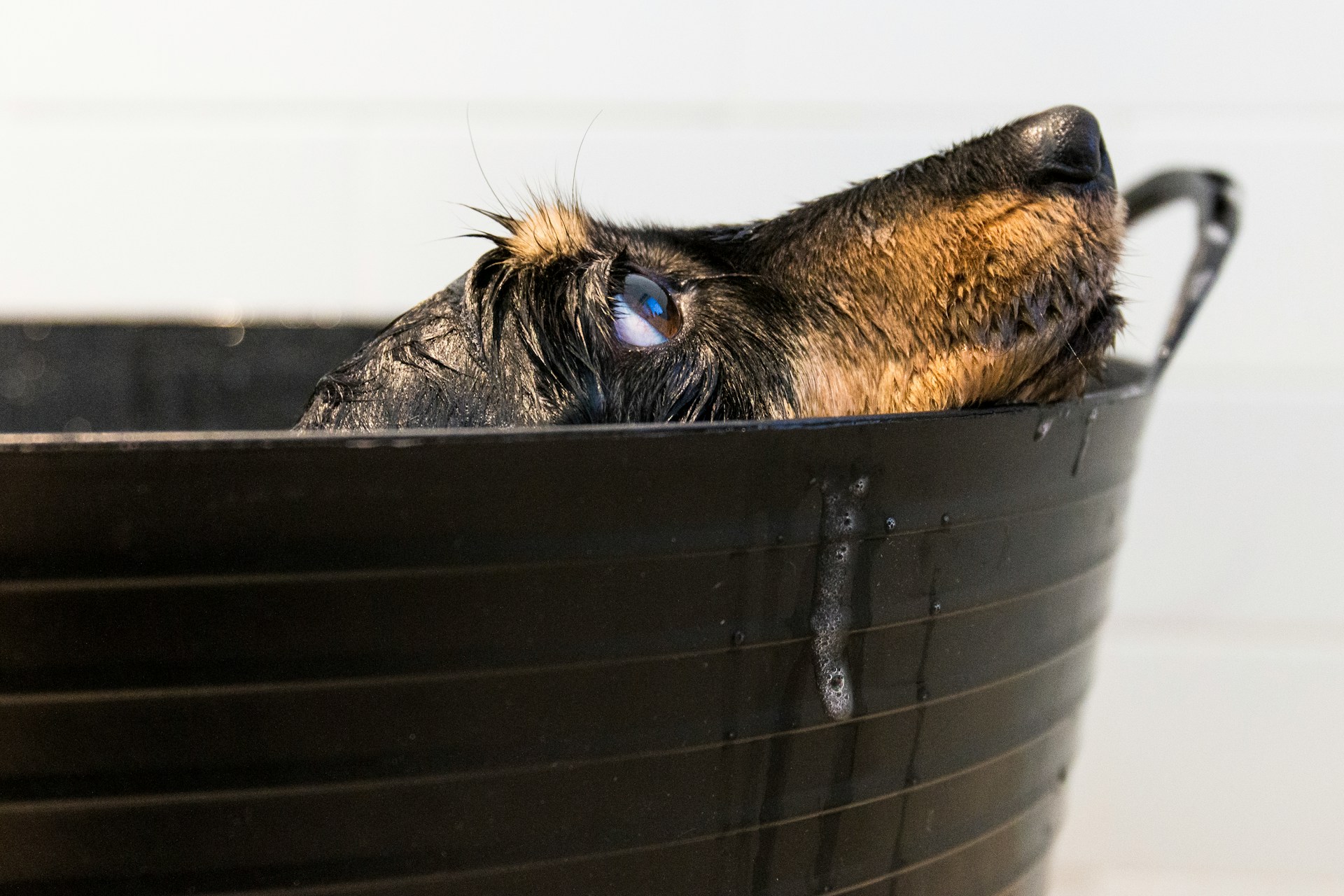
Bathing Tips for Senior Dogs
Bathing Tips for Senior Dogs With Sensitive Skin
olderdogcare.com/
Introduction
As dogs grow older, their skin becomes thinner, drier, and more delicate. Many small senior dogs develop sensitivities they never had before — itching, flakiness, redness, or discomfort after baths. With the right approach, bathing can shift from a stressful chore to a soothing, supportive part of their care routine.
Here’s how to bathe your senior dog gently and safely, keeping their skin healthy and their spirits calm.
💛 Why Senior Dogs Need Special Bathing Care
Aging brings natural changes that affect how a dog’s skin and coat respond to bathing:
- Thinner, more fragile skin
- Reduced natural oil production
- Increased dryness and flakiness
- Higher sensitivity to fragrances and chemicals
- Slower healing from irritation
- More difficulty regulating body temperature
A thoughtful bathing routine helps prevent discomfort and keeps your senior dog feeling clean and cared for.
🧼 Choose the Right Shampoo for Sensitive Skin
The shampoo you choose makes the biggest difference. Look for formulas that are:
- Hypoallergenic
- Fragrance‑free
- Soap‑free
- Moisturizing
- Made with gentle ingredients like oatmeal, aloe, or coconut‑based cleansers
Avoid:
- Strong fragrances
- Harsh detergents
- Whitening shampoos
- Flea shampoos (unless prescribed)
- Human shampoos (even baby shampoo is too harsh)
A mild, moisturizing formula protects the skin barrier and reduces post‑bath itching.
🌡 Use Warm — Not Hot — Water
Senior dogs are more sensitive to temperature changes. Warm water:
- Relaxes stiff joints
- Prevents chills
- Helps shampoo rinse cleanly
- Feels soothing on delicate skin
Hot water, on the other hand, strips natural oils and can worsen dryness.
🧘♂️ Make the Bathing Environment Comfortable
A few small adjustments make a big difference:
- Use a non‑slip mat to prevent slipping
- Keep the room warm to avoid chills
- Let your dog sit or lie down if standing is uncomfortable
- Support arthritic joints with a folded towel
- Keep the bath short and calm
Comfort reduces stress and helps your senior feel safe.
🐾 Be Gentle With Handling
Sensitive skin needs a soft touch.
- Use your hands or a soft washcloth instead of a harsh scrubber
- Massage shampoo gently — don’t rub vigorously
- Avoid pulling or tugging at the coat
- Rinse thoroughly to prevent residue irritation
Think of it as a spa treatment, not a scrub.
🧴 Moisturize After the Bath
Senior skin often needs extra hydration. After rinsing:
- Apply a leave‑in conditioner or coat moisturizer
- Choose products made for sensitive skin
- Avoid anything with alcohol or strong scents
This helps lock in moisture and prevents flakiness.
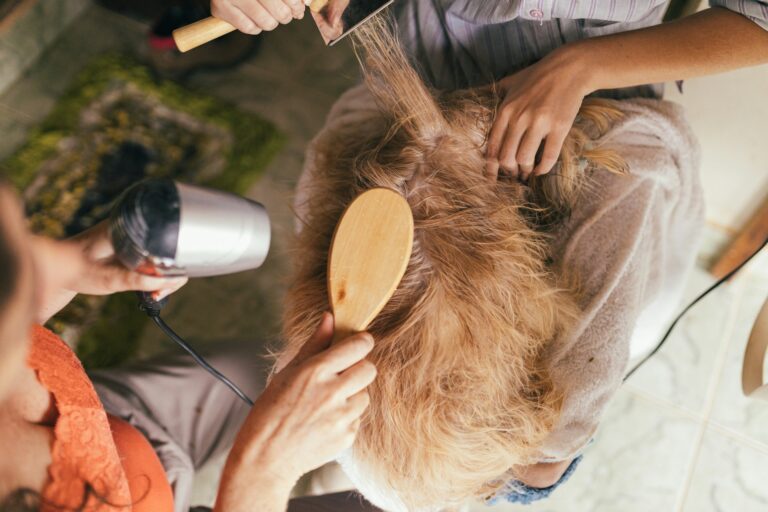
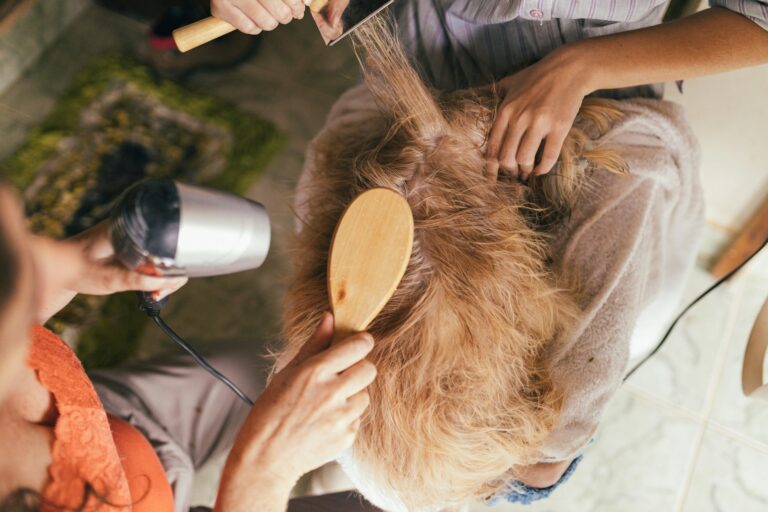
🌬 Dry With Care
Senior dogs get cold easily, so drying matters.
- Use a soft towel to blot (not rub)
- If using a blow dryer, choose the cool or warm setting
- Keep the dryer moving to avoid hot spots
- Make sure your dog is fully dry before going outside or lying on cold floors
A gentle drying routine keeps them warm and comfortable.
🗓 How Often Should You Bathe a Senior Dog?
For sensitive skin, less is more.
Most senior dogs do well with a bath every:
- 3–6 weeks, depending on coat type and skin condition
Bathing too often can strip natural oils and worsen dryness.
Spot‑cleaning between baths helps keep them fresh without over‑washing.
🌟 The Bottom Line
Bathing a senior dog with sensitive skin doesn’t have to be stressful. With gentle products, warm water, and a calm setup, bath time becomes a soothing ritual that supports their comfort and well‑being. A little extra care goes a long way in helping your small senior feel clean, relaxed, and loved.
3 Comments